Stop Wilting Cilantro: Chef Secrets for 2-Week Freshness
Cilantro. For some, it's a vibrant, indispensable herb that brightens tacos, enlivens curries, and is the soul of a good guacamole. For others, it's a soapy nemesis. But if you fall into the former camp, you've likely experienced the frustration of buying a fresh bunch only to find it a sad, slimy, wilted mess in your refrigerator just a few days later. This culinary heartbreak is all too common, but it doesn't have to be your reality. With a few "chef secrets" and the right techniques, you can master
how to store cilantro for weeks, keeping it crisp, green, and ready to elevate your favorite dishes.
We've consulted with professional chefs and seasoned cooking instructors who navigate the delicate world of fresh herbs daily. Their insights reveal that while cilantro can be notoriously finicky, understanding its unique needs is the key to extending its vibrant life far beyond those initial fleeting days. Forget throwing away half-used bunches; get ready to enjoy peak freshness for up to two weeks, and even longer with clever freezing methods.
The Delicate Dance: Understanding Why Cilantro Wilts So Fast
Unlike its more robust "hard herb" cousins like rosemary or thyme, cilantro belongs to the "tender herb" family, alongside parsley and mint. This distinction is crucial to understanding its storage requirements. Tender herbs possess soft, delicate stems and leaves, making them incredibly susceptible to environmental changes once harvested. As Chef Carlos Raba, co-owner of Mexican restaurants Clavel and Nana, points out, cilantro's high water content and delicate structure make it particularly vulnerable.
The primary culprits behind rapid wilting, sliminess, and discoloration are fluctuating temperatures and improper moisture management. When cilantro is exposed to inconsistent temperatures, condensation forms within its storage environment. This excess moisture, combined with air exposure, creates a breeding ground for bacteria and speeds up the decomposition process. Essentially, your cilantro is either dehydrating in dry air or drowning in its own condensation, neither of which is conducive to sustained freshness. Preventing this delicate dance of decay is the first step in learning
how to store cilantro for weeks.
Essential First Steps: Prepping Your Cilantro for Longevity
Before you even think about putting your cilantro away, a little preparation goes a long way in ensuring its extended freshness. Think of it as laying a strong foundation for a long-lasting culinary relationship.
1.
Quality Check Upon Arrival: Before you store, inspect! Carefully go through your bunch of cilantro. Remove any leaves or stems that are already showing signs of wilting, sliminess, yellowing, or discoloration. These compromised pieces can accelerate the deterioration of the entire bunch, acting like a bad apple in a barrel.
2.
To Wash or Not to Wash? This is a common debate. Most chefs recommend *not* washing cilantro until you're ready to use it, as any residual moisture can promote spoilage during storage. However, if your cilantro is particularly dirty or you prefer to wash it beforehand, ensure it is *absolutely, thoroughly dry* before storage. Use a salad spinner, then pat it gently with paper towels until every trace of moisture is gone. Excess water is the enemy of fresh cilantro storage.
With your cilantro carefully prepped, you're ready to apply the chef-approved methods that will transform its shelf life.
Chef-Approved Storage Methods for Weeks of Freshness
The secret to keeping cilantro fresh is to mimic its natural growing environment as closely as possible: a cool temperature with consistent, gentle humidity. Here are the top techniques recommended by culinary experts. For a more visual guide to these techniques, you might find our article
Keep Cilantro Fresh for Weeks: Jar, Bag & Container Methods particularly helpful.
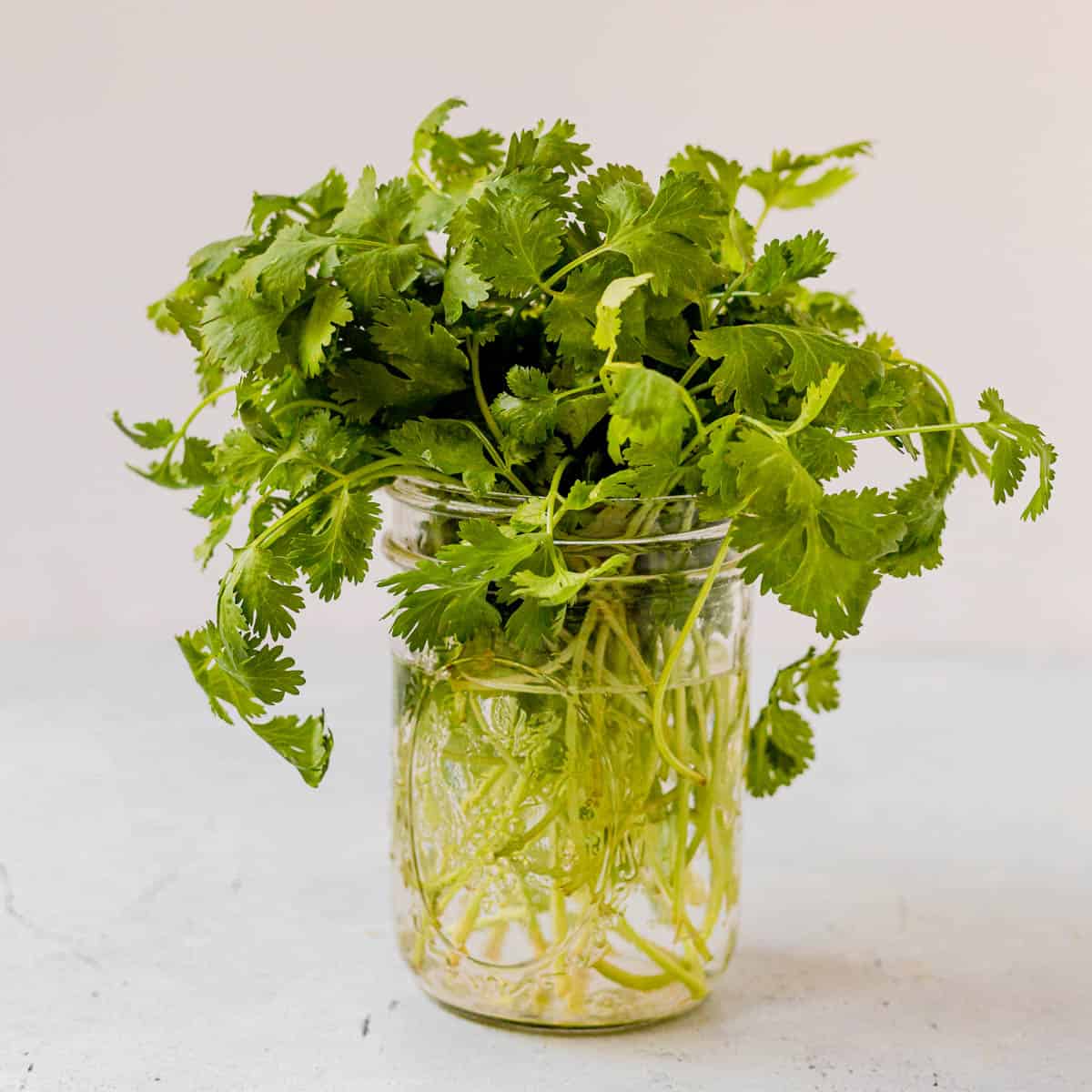
Method 1: The "Bouquet" Jar Trick (Best for 2 Weeks)
This method is arguably the most beloved by chefs and home cooks alike, as it treats cilantro like the delicate flower it is. It's often cited as the gold standard for
how to store cilantro for weeks, keeping it vibrant for up to two weeks.
1.
Prepare the Stems: Take your prepped cilantro bunch. Trim about a quarter to a half-inch off the very bottom of the stems. This fresh cut allows the cilantro to absorb water more efficiently, much like a cut flower.
2.
Water Immersion: Fill a small jar (a mason jar or even a sturdy drinking glass works well) with about an inch or two of cold water. The goal is to submerge only the cut ends of the stems, leaving the leaves completely dry.
3.
Create a Humidity Dome: Loosely cover the top of the cilantro leaves and the mouth of the jar with a plastic bag. A plastic produce bag from the grocery store is perfect. Secure the bag gently with a rubber band around the jar's rim, ensuring the bag doesn't touch or compress the leaves too much. This creates a miniature greenhouse, trapping humidity around the delicate leaves and preventing dehydration.
4.
Refrigerate: Place the jar in your refrigerator. Avoid placing it near the coldest parts of your fridge, such as the back wall, where it could freeze. The crisper drawer is an ideal location.
5.
Maintenance: Change the water every 1-2 days, or as soon as it appears cloudy. Ensure the water level remains consistent.
While this method can keep cilantro fresh for up to two weeks, remember that its peak flavor and aroma are often best enjoyed within 7-10 days. The aromatic compounds can begin to dissipate after about a week, even if the leaves still look pristine.
Method 2: The Airtight Container with a Damp Embrace (Also Good for 2 Weeks)
If you prefer a more contained approach or don't have a suitable jar, an airtight container provides an excellent alternative for extending cilantro's shelf life.
1.
Prepare the Container: Line the bottom of an airtight container (glass or plastic) with a clean, cold, damp paper towel or a thin kitchen cloth. The towel should be moist, but not dripping wet.
2.
Add Cilantro: Gently place your prepped cilantro on top of the damp paper towel. You can lay it flat or loosely roll it, depending on the container's size.
3.
Seal and Refrigerate: Place another lightly damp paper towel on top of the cilantro, then secure the lid tightly. This double layer of dampness combined with the airtight seal creates a consistently humid environment. Place the container in your refrigerator.
4.
Maintenance: The key to this method's success is maintaining that consistent dampness. Check the paper towels every few days and re-wet or replace them as needed to prevent them from drying out.
This method can also keep cilantro fresh for at least two weeks, offering a great alternative for those aiming to figure out
how to store cilantro for weeks without using a jar.
Method 3: The Simple Damp Paper Towel Roll (Good for 5-7 Days)
For a quick and easy storage solution, especially if you plan to use your cilantro within a week, the damp paper towel roll is effective.
1.
Dampen Towels: Lightly dampen two to three sheets of paper towel. Again, they should be moist, not soaking wet.
2.
Roll the Cilantro: Gently lay your prepped cilantro on the damp paper towels. Loosely roll the cilantro within the paper towels, ensuring the leaves are cradled.
3.
Bag and Refrigerate: Place the rolled cilantro (still wrapped in the damp paper towels) into a resealable plastic bag. Gently squeeze out any excess air before sealing the bag.
4.
Store: Place the sealed bag in a moderately cold section of your refrigerator, such as the crisper drawer.
5.
Maintenance: For maximum freshness, unroll and re-dampen or replace the paper towels after a few days.
While this method is simpler, it generally offers a shorter shelf life of about 5-7 days compared to the jar or airtight container methods.
Beyond the Fridge: Freezing Cilantro for Long-Term Use
What if you truly want to master
how to store cilantro for weeks, even months? Freezing is an option, though it comes with a caveat: the texture of cilantro changes significantly upon thawing, becoming softer and less crisp. This makes frozen cilantro less ideal for garnishes or fresh salads, but perfectly suited for cooked applications where its flavor can still shine.
1.
Chopped in Ice Cube Trays: Finely chop your cilantro. Pack the chopped cilantro into ice cube trays. You can then fill the cubes with water or, for an extra flavor boost, olive oil. Freeze until solid, then transfer the frozen cubes to a freezer-safe bag or container. These cubes are perfect for adding to soups, stews, sauces, or stir-fries.
2.
Blended into Pesto/Paste: Blend fresh cilantro with a little olive oil, garlic, and perhaps some lime juice to create a versatile paste. You can then freeze this paste in ice cube trays or small freezer-safe containers. This is an excellent way to preserve its flavor for marinades, dressings, or as a base for sauces.
3.
Flash Freeze: For larger quantities, finely chop the cilantro, spread it in a single layer on a parchment-lined baking sheet, and flash freeze for an hour or two. Once frozen solid, transfer the loose cilantro to a freezer-safe bag, pressing out as much air as possible before sealing.
Frozen cilantro can last for several months, ensuring you always have that distinctive flavor on hand for your culinary adventures.
Mastering Cilantro: Advanced Tips for Peak Freshness
Beyond the specific storage methods, a few overarching principles can help you achieve consistent success when asking yourself
how to store cilantro for weeks. For even more detailed guidance, consider checking out
How to Store Cilantro for Weeks: Pro Tips for Lasting Freshness.
*
Start with the Best: The longevity of your stored cilantro begins with its initial quality. Look for cilantro bunches with vibrant green leaves, firm stems, and no signs of yellowing, wilting, or dark spots. Fresher cilantro will naturally last longer.
*
Avoid Crushing or Bruising: Handle cilantro gently. Bruised leaves will deteriorate faster, releasing enzymes that accelerate spoilage.
*
Don't Overcrowd: Whether in a jar, container, or bag, give your cilantro a little breathing room. Overpacking can lead to moisture buildup and crushing, both of which shorten its life.
*
Understand Your Refrigerator: Different areas of your fridge have different temperatures. The crisper drawer is typically designed to maintain a consistent humidity level and a moderate temperature, making it ideal for most fresh produce, including cilantro. Avoid placing delicate herbs on the very top shelf or near the back vents, which can be too cold and cause freezing or extreme dehydration.
*
Cleanliness is Key: Always use clean jars, containers, and fresh paper towels. Any lingering bacteria can quickly contaminate your fresh cilantro.
By integrating these tips into your routine, you’re not just storing cilantro; you’re becoming a master of its preservation, ensuring it’s always at its best when you need it.
Conclusion
No longer do you have to endure the disappointment of a prematurely wilted bunch of cilantro. By understanding its delicate nature and applying these proven "chef secrets," you now possess the knowledge to confidently tackle
how to store cilantro for weeks. Whether you opt for the elegant bouquet method in a jar, the reliable airtight container, or even venture into freezing for long-term use, you're equipped to maximize its freshness and flavor. Say goodbye to food waste and hello to consistently vibrant cilantro, ready to brighten every meal you create.