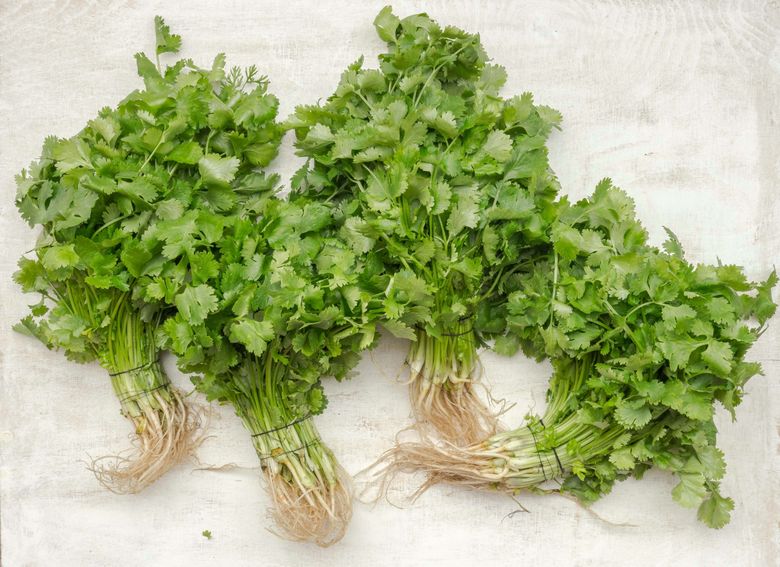
Cilantro, a herb as polarizing as it is popular, holds a cherished place in countless cuisines worldwide. Whether it's the vibrant zest in your tacos, the fresh kick in guacamole, or an aromatic finishing touch to stir-fries and ramen, when you're a fan, you *really* can't get enough. However, cilantro also has a reputation for being notoriously delicate, often wilting into a sad, slimy mess just days after purchase. But what if we told you it doesn't have to be this way? With the right techniques, you can master how to store cilantro for weeks, keeping it crisp, green, and full of its distinctive flavor.
We've gathered insights from culinary experts and seasoned chefs to bring you the definitive guide to extending your cilantro's shelf life. Say goodbye to wasted bunches and hello to lasting freshness!
Why Cilantro is So Tricky to Store
Before diving into storage solutions, it’s essential to understand why cilantro is such a finicky herb. According to Carlos Raba, co-owner and chef at Clavel and Nana, Mexican restaurants in Baltimore, MD, cilantro's extreme delicacy and high water content make it particularly vulnerable. It's not just about keeping it cool; it's about managing its delicate balance of moisture and temperature.
Temperature fluctuations are cilantro's nemesis. A sudden shift can lead to condensation, which, in turn, accelerates wilting, sliminess, and unattractive discoloration. Think of it like a freshly cut bouquet – without proper care, it quickly loses its vitality. This delicate nature means that before you even begin to store your cilantro, a crucial first step is to perform a quality check. Remove any leaves or stems that already show signs of wilting, yellowing, or sliminess. These compromised parts can quickly spread spoilage to the rest of the bunch, prematurely deteriorating its overall quality.
Just like its botanical cousins, parsley and mint, cilantro is a "soft herb" characterized by its tender stems and leaves. Unlike "hard herbs" such as rosemary or thyme with their woody structures, soft herbs demand a gentler, more thoughtful approach to storage. The goal is to mimic the cool, slightly humid environment they thrive in, preventing them from drying out or becoming waterlogged.
Top Methods for Storing Cilantro: Achieving Weeks of Freshness
While no method can make cilantro last indefinitely, these expert-approved techniques can significantly extend its vibrancy, often for two weeks or more. For even more detailed steps on each method, be sure to explore our comprehensive guide on Keep Cilantro Fresh for Weeks: Jar, Bag & Container Methods.
Method 1: The "Flower Bouquet" Jar Method (Our Top Pick for 2 Weeks)
This method leverages the principle florists use to keep cut flowers fresh, and it’s consistently recommended by chefs like Michael Handal and Hernandez for its effectiveness. It's arguably the best way to keep your cilantro crisp and vibrant for an extended period.
- Preparation: Start by gently trimming about an inch off the very bottom of the cilantro stems. This opens up the capillaries, allowing the stems to absorb water more efficiently. Inspect the bunch and remove any damaged or yellowed leaves.
- The Setup: Fill a clean glass jar (a Mason jar or even a drinking glass works well) with a small amount of cold water – just enough to submerge the bottom 1-2 inches of the trimmed stems. Think of it as giving your cilantro a refreshing drink.
- Cover and Chill: Place the cilantro stems into the water. Loosely cover the leaves with a plastic bag (a produce bag from the grocery store is perfect) and secure it with a rubber band around the jar's rim. The key here is "loosely" – you want to create a miniature greenhouse effect, maintaining humidity around the leaves without trapping excessive moisture or stifling air circulation.
- Refrigeration: Place the entire setup in your refrigerator, ideally in the crisper drawer, which offers a stable, cool environment.
Why it works: The water hydrates the stems, preventing wilting, while the plastic bag maintains crucial humidity around the delicate leaves. This delicate balance prevents the leaves from drying out while also protecting them from the refrigerator's circulating air, which can cause them to shrivel. When stored properly this way, cilantro can last up to two weeks. However, experts note that you'll experience the best flavor and aroma if you use it within seven to ten days, as the essential oils responsible for its fragrance can start to dissipate.
Pro Tip: Change the water every other day, or daily if you remember. Stagnant water can promote bacterial growth. Some chefs also suggest adding a tiny splash of white vinegar to the water to inhibit bacterial growth further, similar to a flower food packet.
Method 2: Airtight Container with a Damp Paper Towel (Excellent for up to 2 Weeks)
If you don't have a suitable jar or prefer a more contained storage option, an airtight container provides an excellent environment for cilantro to thrive for weeks.
- Preparation: Begin by making sure your cilantro is completely dry. This is crucial for preventing spoilage in a sealed environment. You can gently pat it dry with paper towels or use a salad spinner. Remove any unhealthy leaves.
- The Setup: Line a clean, airtight container (glass or plastic) with a clean, cold, and slightly damp paper towel or a thin, reusable cloth. The towel should be moist, not soaking wet.
- Layer and Seal: Place the dried cilantro on top of the damp towel, then gently cover the cilantro with another slightly damp paper towel. Secure the lid tightly on the container.
- Refrigeration: Store the sealed container in the crisper drawer of your refrigerator.
Why it works: This method creates a perfectly humid microclimate within the container, preventing the cilantro from drying out without exposing it to excess standing water. The airtight seal locks in this moisture, and the cool temperature slows down metabolic processes that lead to spoilage. Hernandez suggests that this method can keep cilantro fresh for at least two weeks. For optimal results, check the paper towels every few days and re-wet or replace them as needed to maintain consistent moisture.
Method 3: Resealable Plastic Bag (Good for 5-7 Days)
For a quicker, simpler approach that still beats just tossing it in the fridge, the resealable plastic bag method is effective for shorter-term storage.
- Preparation: As with the airtight container method, ensure your cilantro is thoroughly dry after cleaning.
- Wrap: Lightly dampen a couple of paper towels. Gently roll the cilantro bunch in these damp paper towels. The goal is to provide a kiss of moisture, not to soak the herb.
- Bag It: Place the wrapped cilantro into a resealable plastic bag.
- Chill: Seal the bag, leaving a tiny bit of air inside (don't vacuum seal it), and store it in a moderately cold section of your refrigerator, such as the crisper drawer.
Why it works: This method offers a convenient way to create a somewhat humid environment. The damp paper towels prevent the cilantro from drying out, while the bag provides a barrier against the refrigerator's dehydrating air. Michael Handal notes that cilantro stored this way should last five to seven days. For maximum freshness, change the damp paper towels after a few days to prevent mold growth and maintain humidity.
Extending Freshness Beyond the Fridge: Freezing Cilantro
While refrigeration is ideal for fresh, vibrant cilantro, sometimes you have an abundance and want to preserve its flavor for even longer. Freezing cilantro is a viable option, but it comes with a trade-off: texture. When frozen and then thawed, cilantro will lose its crispness and wilt significantly, making it unsuitable for garnishes or salads where texture is key. However, it's perfect for cooked dishes.
Here’s how to freeze cilantro effectively:
- Ice Cube Tray Method: Finely chop your cilantro. Pack the chopped herb into ice cube trays. You can then cover it with water, olive oil, or even vegetable broth before freezing. Once frozen solid, pop out the cubes and transfer them to a freezer-safe bag for long-term storage. These cubes are perfect for tossing directly into soups, stews, sauces, curries, or even smoothies.
- Pesto/Paste Method: Blend cilantro with a little olive oil, salt, and maybe a squeeze of lime juice to create a vibrant paste or pesto. Portion this mixture into small freezer-safe containers or ice cube trays. This concentrated flavor bomb is excellent for marinades, dressings, or as a quick flavor base for many dishes.
Freezing cilantro can preserve its aromatic essence for several months, ensuring you always have a taste of freshness on hand, even if it's not for a fresh garnish.
Pro Tips for Maximizing Cilantro's Lifespan
Beyond the specific storage methods, a few overarching principles can dramatically improve your success in keeping cilantro fresh. For more in-depth strategies to Stop Wilting Cilantro: Chef Secrets for 2-Week Freshness, delve into our expert guide.
- Start with Quality: The fresher your cilantro is when you buy it, the longer it will last. Look for bright green leaves, firm stems, and a strong, fresh aroma. Avoid bunches with yellowed leaves, sliminess, or a musty smell.
- Washing Wisdom: If you plan to store cilantro using the container or bag method, it's paramount that it's completely dry after washing. Excess moisture in a confined space is a breeding ground for mold and spoilage. Use a salad spinner followed by patting with paper towels. For the jar method, you can often wash just before use, but if you prefer to pre-wash, ensure the leaves are dry before covering with the plastic bag.
- Consistent Cold: Your refrigerator's crisper drawer is your cilantro's best friend. It offers a slightly more humid and stable temperature zone than other parts of the fridge, like the door.
- The Power of the Plastic Bag: When using the jar method, the plastic bag isn't optional – it's crucial. It creates that essential humid microclimate that prevents the delicate leaves from drying out from the refrigerator's dry, circulating air.
- Regular Maintenance: Whichever method you choose, make it a habit to check your cilantro every few days. For the jar method, change the water. For the container and bag methods, refresh or re-wet the paper towels. Remove any leaves that start to show signs of decline. This small effort prevents spoilage from spreading.
Conclusion
Cilantro might be delicate, but with these expert-backed strategies, mastering how to store cilantro for weeks is entirely achievable. By understanding its needs for hydration, humidity, and consistent cold, you can transform your approach to this beloved herb. Whether you opt for the elegant "bouquet" jar method, the contained convenience of an airtight container, or the quick fix of a resealable bag, you're now equipped to enjoy vibrant, aromatic cilantro for much longer than you thought possible. No more wasted bunches – just crisp, flavorful cilantro ready to elevate your next culinary masterpiece.
